How to befriend a crow
Pick one spot, pick one time, bring a small handful of unsalted peanuts, and walk away. Do it again tomorrow. That is most of it. The rest is patience, and knowing what progress looks like.
Why this works: crows trust what is predictable
Befriending crows is mostly about being predictable. Crows are cautious, and they are watching you long before you notice them. Your job is to be the least surprising person on the block.
Ask long-time feeders what worked and almost all of them say the same thing: they showed up at the same time every day. Crows are pattern machines. A person who appears at 7:10 with peanuts is a fact of the neighborhood within weeks. A person who appears at random is a risk to be assessed every time.
Nothing here is a trick. It is a routine the crows can count on, kept up long enough for them to decide you are safe.
What you need
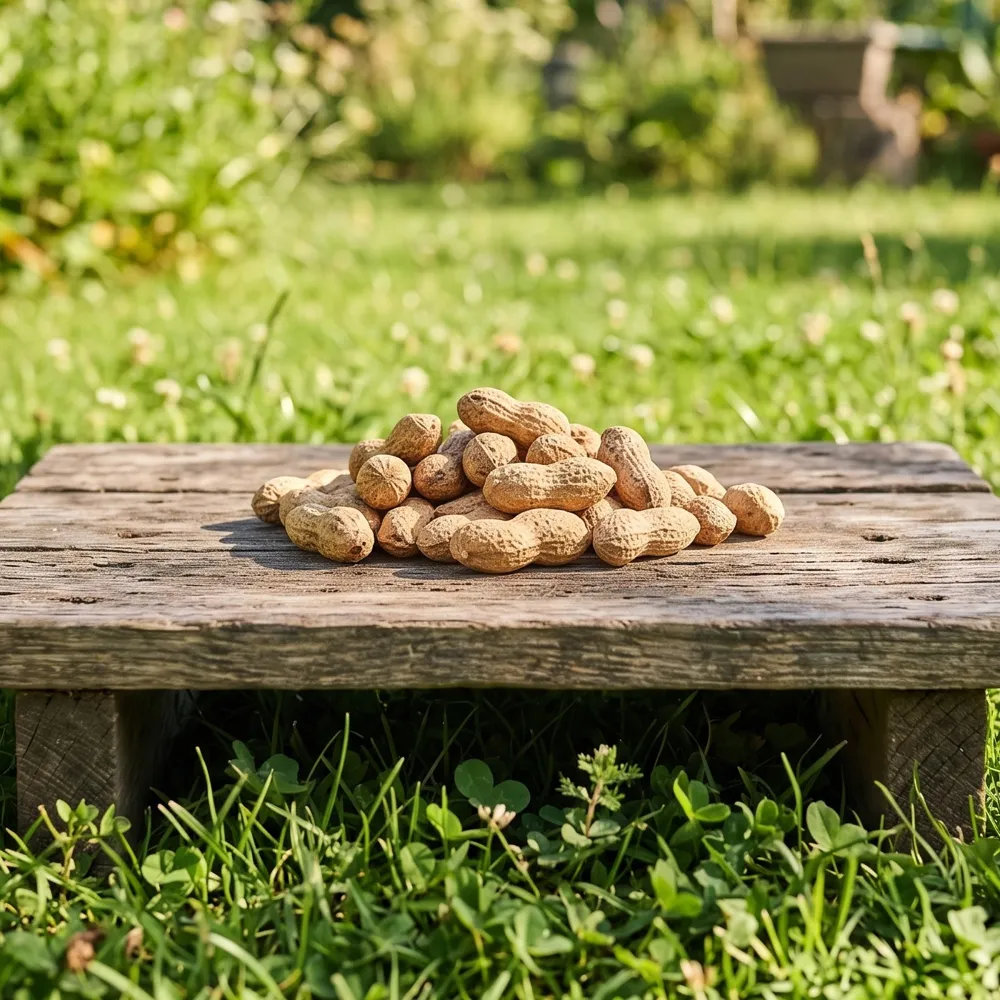
- A bag of unsalted peanuts in the shell. High in fat and protein, easy to carry, and the shell keeps the nuts clean when a crow buries one for later.
- One spot you can reach every day. A corner of the yard, a fence post, a quiet patch of a park. Somewhere the crows can see from above with a clear way out.
- One time of day you can keep. Morning is the easiest to hold onto.
- A shallow dish of water, if you can manage it. Crows drink and dunk their food in it.
You do not need a feeder, a camera, or a big budget. A small handful is plenty, and it is the handful that matters, not the pile.
The routine, step by step
- Go to your spot at the same time. Crows learn schedules faster than faces.
- Say one word or make one sound, the same every day. Over weeks it becomes how they know it is you.
- Put down a small handful of peanuts. Only what they will finish, so nothing sits and spoils.
- Walk away or sit down far off. Do not stare at them. Do not chase or reach. Let them choose how close to come.
- Note who came, even if that is "nobody yet."
The first days often look like nothing is happening. A crow watching from a wire and deciding not to come down is progress.
Body language crows respond to
- Move slowly. Sudden movements read as predator behavior.
- Sit or crouch. A lower profile is less threatening.
- Do not stare. Look sideways, glance and look away, the way another crow would.
- Keep your hands visible and empty after you put the food down.
- Walk away after placing food. Being ignored is what they want at first.
Children can absolutely do this. The hard part for kids is standing still, so give them the job of the signal word.
How long does it take to befriend a crow?
Honest answer: weeks for the first steps, months for the good ones, and every street is different. Reports range from a few weeks to a few months before a crow eats while you are visible, and much longer for the closer stages. Nobody can promise a timeline, because every crow family is different.
These are the stages most crow friendships pass through, with real ranges instead of promises.
- DaysThey noticed me. Often within the first days of putting food out at a fixed time.
- 1 to 2 weeksThey stayed instead of flying away.
- 1 to 4 weeksThey came closer while I was there, usually after they first stayed.
- 2 to 8 weeksThey took food within 20 feet of me. Some take months.
- 1 to 3 monthsThey waited for me. The routine is now part of their day.
- Months to yearsThey landed near me with no food out. A sign it is about you, not only the peanuts.
- After a springThey brought their young. Only in fledgling season, after at least one spring of trust.
If you can only manage weekends, that is still a routine. Crows can learn a weekly pattern too; it just takes longer.
How do I know if a crow likes me?
Crows recognize individual human faces, so they do learn who you are. In a well-known University of Washington study, crows that had been trapped by researchers wearing a particular mask scolded anyone in that mask for years afterward, and taught other crows to do the same. The same memory works in your favor. Crows recognize a friendly person through haircuts, hats and coats, and long-time feeders report being greeted after a year away.
Signs that they trust you: they wait nearby at feeding time, they show up when you step outside, they stay instead of flying off when you come out, and over time they come a little closer. Some follow people on walks or call when they see them.
Mistakes that set you back
- Never chase, throw things at, or startle crows, even once. Bad memories last for years.
- Feeding too much. If the crows start showing up in large loud groups at dawn, you are feeding too much. Cut back. That is the most common reason people are forced to quit.
- Random timing. Showing up whenever you remember makes you a new risk each time.
- Staring and approaching. Let them close the distance, not you.
- Giving up in week two. A crow on a wire that does not come down is still watching, still learning your schedule.
If you make a mistake, be patient. Trust rebuilds, slowly.
Keep the neighbors on your side
Feeding wild animals carries responsibility. Done well it is harmless; done carelessly it draws rats, spreads disease, and turns the street against the birds.
- Offer only what gets eaten in one sitting, and clear leftovers the same day.
- Never leave food out overnight.
- Rinse the surface and the water dish daily.
- Keep cats indoors, especially in fledgling season.
- Tell your neighbors what you are doing before the crows tell them.
A wild crow finds almost all of its food on its own, every day. A few peanuts from you is a small part of that. Keep it that way and dependency is not a real risk. For what to put out, read what crows eat and what not to feed them.
Questions people ask
How do I befriend a crow?
Pick one spot and one time of day. Put out a small handful of unsalted peanuts in the shell, then step back and let the crows eat. Repeat it every day, stay calm and predictable, and add a word or whistle you always use. Trust builds in stages over weeks and months.
How long does it take to befriend a crow?
Crows often notice a regular food spot within days. Taking food within about 20 feet of you commonly takes 2 to 8 weeks of steady feeding, and some crows take months. Closer trust can take months to years. Every street is different.
Will crows remember me, and will they get angry if I stop feeding them?
Yes, crows remember faces for years. The famous crow grudges are against people who threatened them, not people who stopped feeding them. If you stop, they will check your spot for a while and then go back to their other food sources. If you are going away, ask someone to keep the routine, or pick it back up when you return.
Is it a good idea to befriend crows? Are there downsides?
Done responsibly, it can be a lovely relationship. The downsides are real but manageable: crows can get loud while they wait, more food brings more crows, leftovers can attract rats, and not every neighbor will love it. Feed small amounts at a reasonable hour and keep the spot clean.
Is it legal to feed crows?
Feeding crows is allowed in most places, but local rules vary. Some cities, parks and homeowner associations limit feeding wildlife. In the United States crows are protected under the Migratory Bird Treaty Act, so it is illegal to harm them, keep them, or keep their feathers or nests. Check your city and state or province rules.
Crow Friends remembers every step.
The app walks you through the routine, keeps your feeding streak, lets you name each crow, and logs the day a crow first stayed, first waited for you, or first left you something. It is not in the App Store or Google Play yet. Join the waitlist and we will email you the day it is out.
Join the waitlist